I’ve spent the past year teaching history as an adjunct professor at a community college in northern Iowa and working as the director at the Titonka Public Library. I just created a new website for the library: https://www.titonka.lib.ia.us Feel free to give it a look.
The dissertation has resumed. A lot of work left to to do, but I’m feeling hopeful for a 2023 completion.
Edler Hawkins rose to national and international prominence in the 1960s as the first African American moderator of the United Presbyterian Church in the United States. The denomination had over 3 million members and an African American membership of less than 5%. Moderator is the highest elected office in Presbyterianism. Hawkins also worked as a member of the Central Committee of the World Council of Churches where he led global initiatives to combat racism in South Africa. He ended his career as the first African American professor at Princeton Theological Seminary.
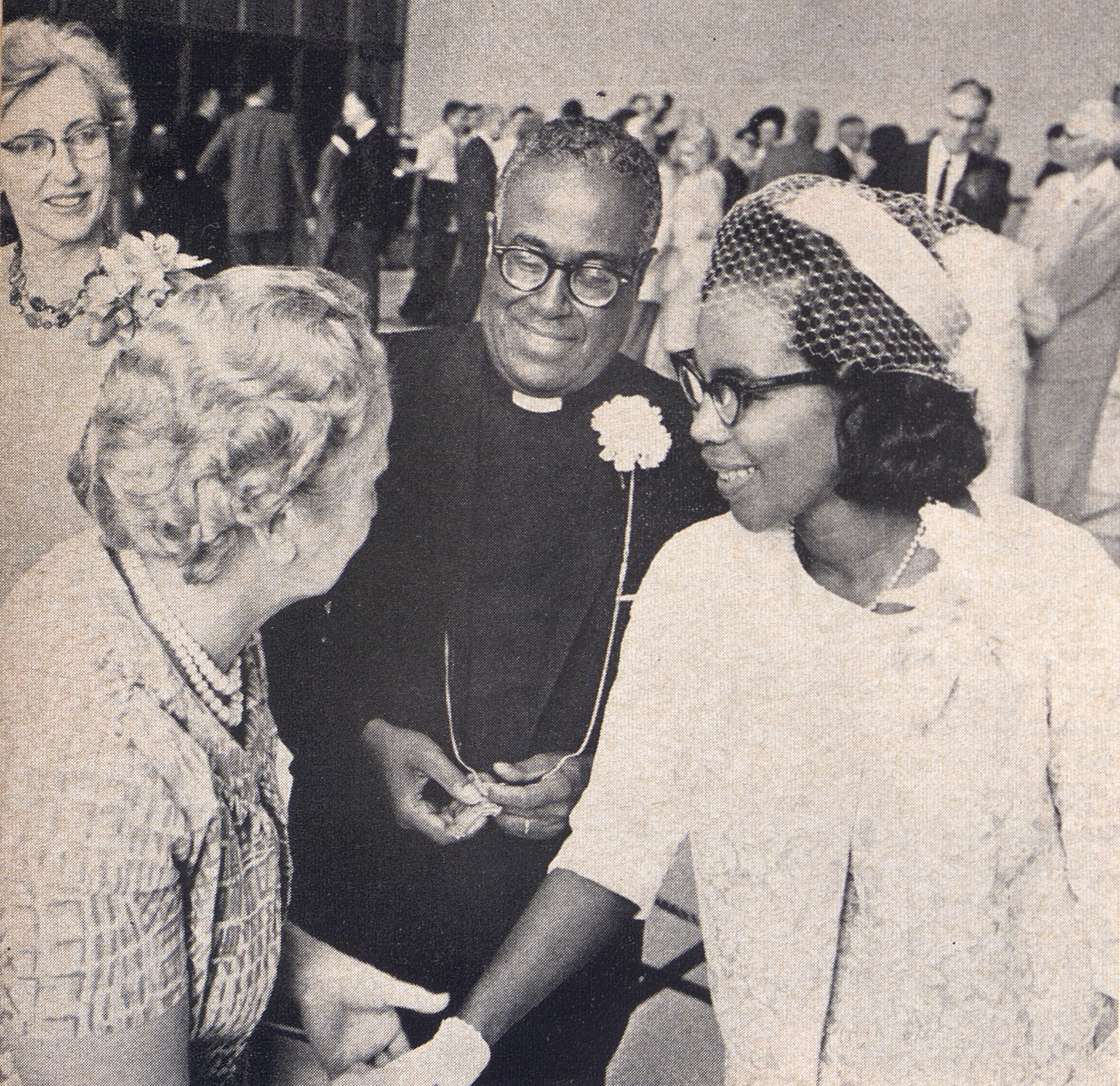
Moderator and Mrs. Hawkins- Presbyterian Historical Society
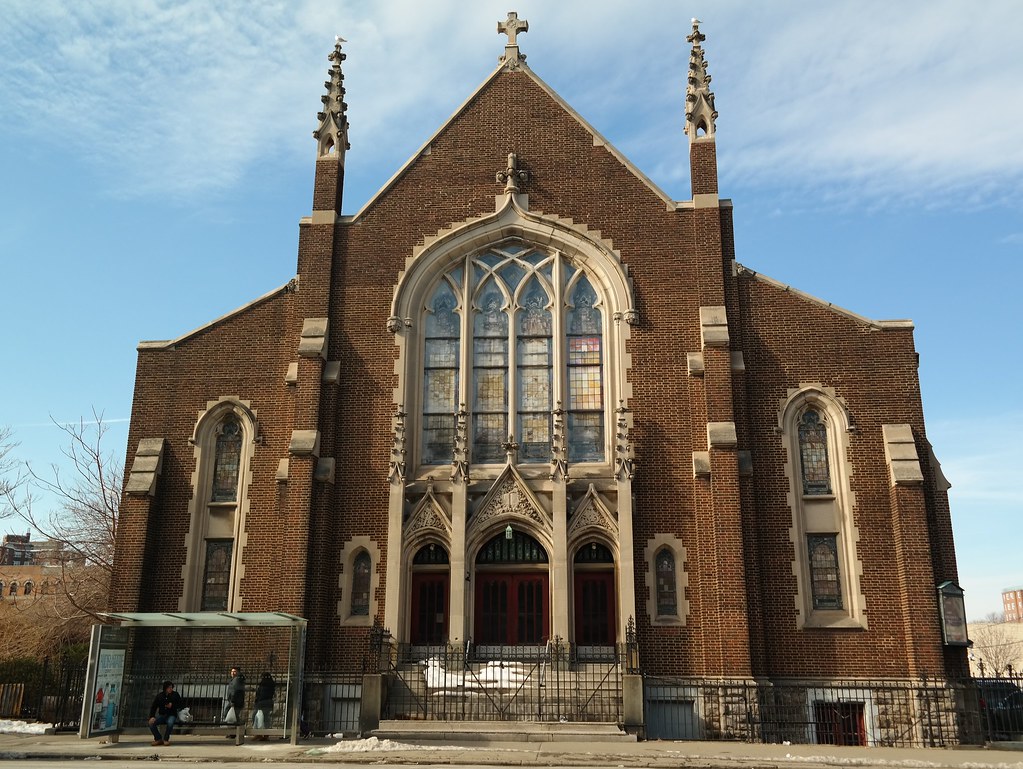
St. Augustine Presbyterian Church
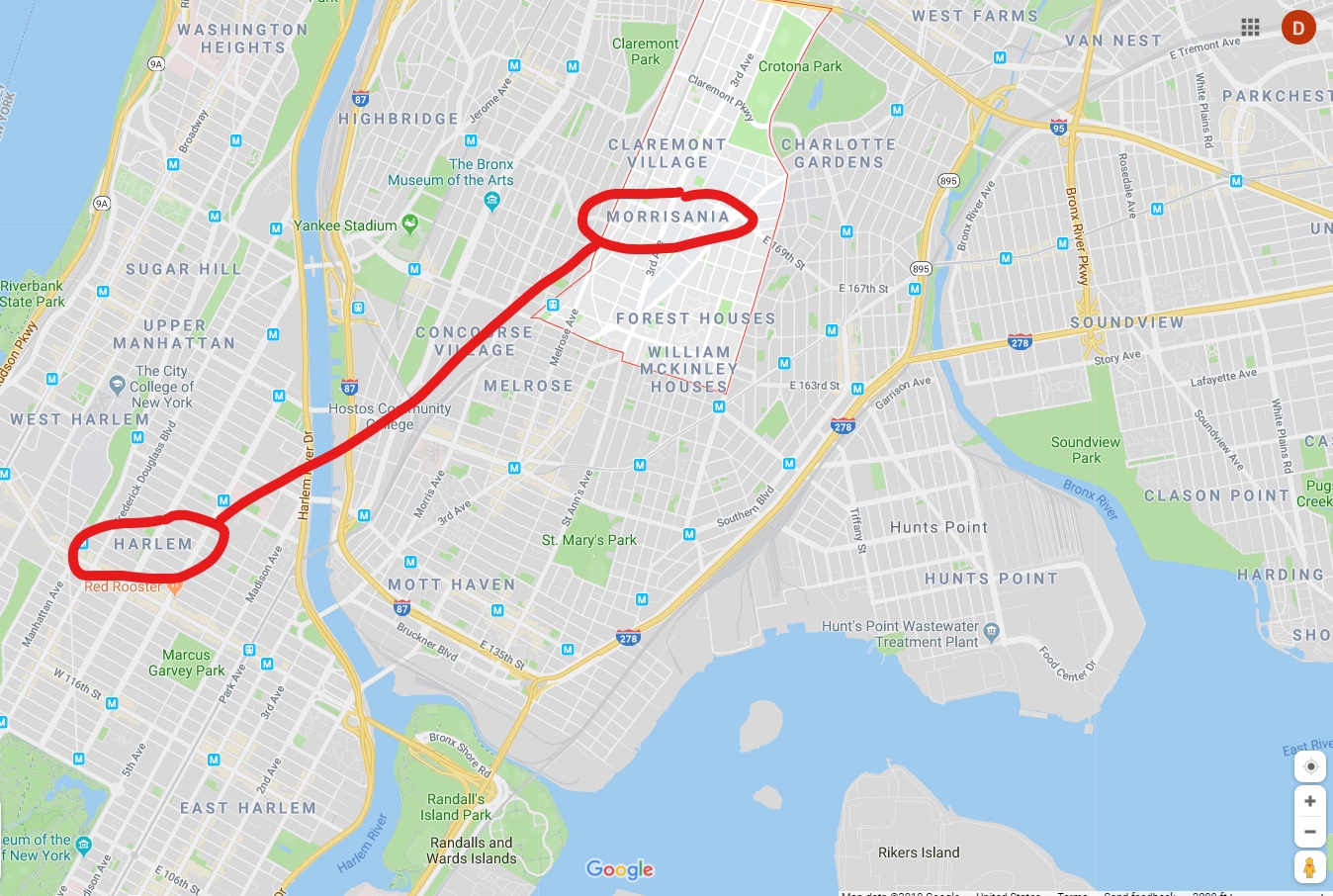
A good portion of my research thus far has dealt with Hawkins’s local New York City work. His unlikely rise to national prominence within Presbyterianism would not have been possible without his experience building St. Augustine Church in the Morrisania section of the south Bronx. Hawkins guided St. Augustine’s expansion from a handful of active members to over a 1000 by 1950. Just as Harlem provided an opportunity for Black New Yorkers to acquire better housing starting in the 1890s, Morrisania did so beginning in the 1930s. As high rent, unemployment, rampant crime, and high mortality rates afflicted Harlem by the Great Depression, an important demographic shift began to take place. From 1930 to 1970, the African American population of the Bronx grew from under 13,000 to over 350,000. By the 1950s, a broad socio-economic range of west Indians, Black southerners, ex-Harlemites, Puerto Ricans, and Jewish residents created a unique cultural dynamic in Morrisania. Varying foods, music styles, languages, fashions, and modes of worship collided within a densely populated area.
Harlem to Morrisania migration
Contrary to similar examples of northern attempts at residential desegregation, these demographic shifts were not followed by immediate white flight. While whites did move away in the south Bronx, it was much more gradual than in other northern urban areas. Hawkins operated at a time in Morrisania before rampant arson, drug epidemics, and failing social structures. Public housing was sought after, schools provided opportunity, and meaningful integration had time to materialize. Preliminary evidence suggests a strong radical trade union tradition in the area may have contributed to these conditions. Also, one cannot discount the fact many residents rented their dwellings and did not share the same concerns about property values as whites in more suburban locals. I need to do waaay more research into the numbers behind the changing neighborhood demographics to back up my preliminary assertations and better visualize the rate and scale of movement taking place. Luckily, this data is relatively accessible through census records.
Before Dr. Naison’s BAAHP work, no one on the university side of things studied Hawkins and the unique African American community that arose around his church. The BAAHP allowed residents to get their story on the record. This speaks to a wider problem in the field of history concerning what gets written and what stories disappear over time. The BAAHP research forced historians in academia to consider the south Bronx multicultural community prior to 1970.
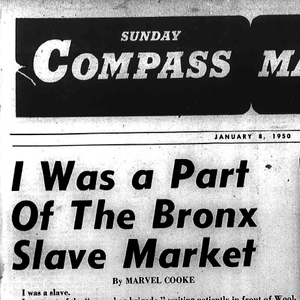
After 1938, Hawkins balanced church building efforts with more overt political endeavors. One major political initiative stands out during the first 20 years of Rev. Hawkins ministry: organizing against the Bronx “slave market.”
Labor and employment issues became apparent to Rev. Hawkins during the Great Depression and into the WWII years. Daily domestic service labor hired on a number of street corners in the neighborhoods of the south Bronx caused concern to many civic minded residents. How much were these domestic workers getting paid? What were their working conditions like? The contentious name given to this informal economy, Bronx “slave markets,” attests to the popular conception of the dehumanizing nature of the arrangement. In rain, cold, snow, and heat, women lined up along various avenues throughout the south Bronx and negotiated their domestic services.
In order to bring the issue to the attention of the city government, Hawkins helped found the Bronx Citizen’s Committee for the Improvement of Domestic Employees. The committee did not want to completely end these employment opportunities for Black women, but they hoped to improve the methods of employment. In 1939, Hawkins contacted the State Employment Department in an effort to get them to investigate the issue. The proposed solution involved establishing hiring agencies to provide a safe, protected space that could verify that employers paid fair wages.
Two years later in 1941, the New York City government entered the fray when Mayor La Guardia condemned the practice and vowed to investigate. The Mayor’s Office used methods of data collection that caused a backlash. Without consulting the Bronx Citizen’s Committee for the Improvement of Domestic Workers, a police chief and a city administrator rounded up African American domestic workers off the streets and into buses. They spent the day at social service agencies answering questions about the nature of their employment. After the Mayor’s investigation, many women feared arrest if they returned to the streets to seek work.
Fiorello La Guardia, NYC mayor
In April of 1941, the State Industrial Commission finally heeded Rev. Hawkins recommendation and established hiring halls for domestic workers. These hiring halls, three in all, provided a small staff that acted as hosts. The state did not involve themselves in any of the labor transactions and merely provided a physical space off the street where women could negotiate.
The African American population influx in the late 1940s and 1950s and the challenges arising from inter-racial interactions required a tenacious commitment to political activism from Rev. Hawkins. As former parishioner Avis Hanson says, “He was gentle, but he was as hard as nails. He had to be.” Hawkins also helped organize initiatives to integrate the Met-Life Parkchester Housing development, worked to ensure Morris High School maintained an equal balance of white, black, and Puerto Rican students prior to 1954, and ran for New York state office in 1950 with the strategy of uniting the Black and Puerto Rican vote. Much more work needs to be done to fully tell the story of Morrisania and Rev. Hawkins’s place within it. I’m looking forward to digging deeper.
After reading and writing about various interpretations from other historians, the dissertation is the graduate student’s glorious opportunity to conduct research and make a humble original contribution to the field. Mom and Dad will surely read it. You can also probably count on a future graduate student who studies a similar topic giving it a peek.
For a select few, the dissertation can lead to a publishing contract. After this, you spend time working with editors to convert your jargon filled, theory heavy dissertations into a more readable book format. From there, if it’s deemed “important,” unsuspecting freshman get assigned your book, you give a book talk on CSPAN-2, and viewers flood your inbox with fan mail. Before you know it, you start sleeping in tweed pajamas and referring to yourself exclusively in the third person:
“Prof. Strecker expects a 10 page analysis of Prof. Strecker’s book to be on Professor Strecker’s desk by Friday. Class is dismissed.”
We’re
putting the cart before the horse though. Initially, it’s only a very small and
specific audience that matters. Whether, someone goes on to win a Bancroft or
self publishes online, everyone must first convince their dissertation
committee that their research is up to snuff. The committee gives you a needed
outside perspective on the weaknesses of your research and makes you aware of
areas that need to be defended more vigorously. Ultimately, the committee needs
to sign off on your work.
“Damien, we’ve asked you multiple times to stop using comic sans”
How does one even go about writing a history book? For all of the formal schooling a history student can go through, it’s easy to feel ill-equipped to take on original research. A lot of programs emphasize analysis, but you’re kind of left to your own devices to figure out nitty gritty research logistics. Luckily, the dissertation committee doesn’t just act as gatekeepers. They’ve been through the research process many times before and can give you advice on what research questions to ask, who to talk to, and how to start.
For me, I started with a conversation with my main advisor, Dr. Naison. As I mentioned in a previous post, he suggested I take up biographical research on Edler G. Hawkins. Hawkins’s name kept coming up in Dr. Naison’s Bronx African American History Project (BAAHP) interviews.
I can’t predict what my dissertation committee thinks or whether any publisher will care about what I’m trying to write, but I believe in what I’m doing. I think Edler’s story is more relevant today than ever and could be a meaningful read for folks from all different walks of life. Edler passed away in 1977, but I still think he has a lot left to say. I’m going to keep researching and listening as best as I can. Read my next entry for a general background on Hawkins, Morrisania, and some of his local activism.
Congrats to my fellow history head and former student Adam Rose for taking home the contest prize. To the victor goes the spoils:
I went to the Talbot Street Art Fair in Indy about a month ago and came across David Frohbieter’s Historically Inaccurate Art booth. He mashes up time periods, geography, and events to create highly inaccurate but intriguing art. I thought the “Savage Lincoln” piece would make a visually compelling and unique contest prize.
While Napoleon never sought a “Louisiana Refund,” the whole transaction highlights the interconnectedness of global and US histories.
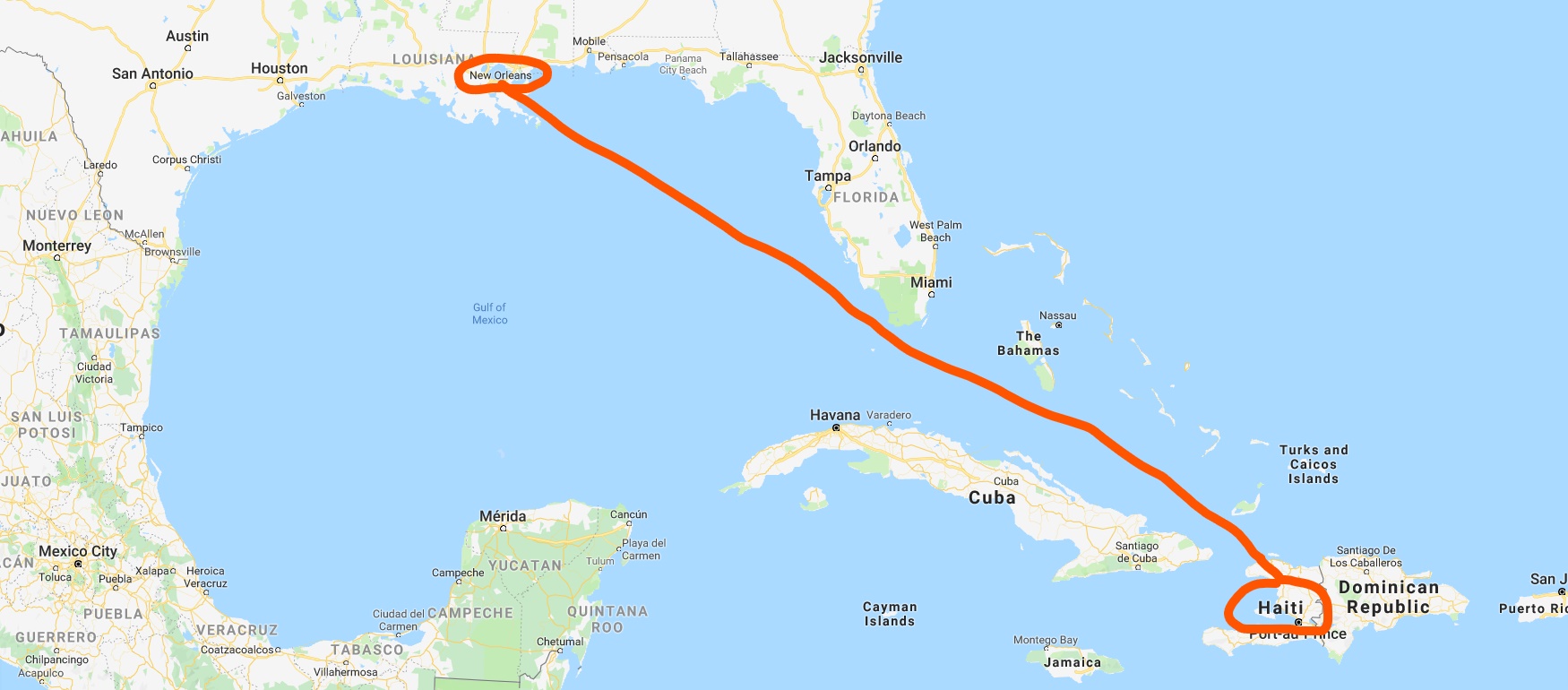
After gaining control of the Louisiana Territory from Spain in 1800, Napoleon planned to maximize the profitability of French colonial possessions in the western hemisphere. Napoleon wanted Louisiana to supply Caribbean islands like St. Domingue (Haiti) with food. In turn, colonies like St. Domingue could use that food to expand cash crop production and take advantage of trade access to New Orleans markets. French Caribbean sugar and coffee production, built on slave labor, created massive fortunes. By looping Louisiana into the equation, the French could increase efficiency and expand their North American reach.
Cartography skills
Jefferson eyed this situation with concern. As the US expanded beyond the Appalachians, independent American farmers as well as slave owners needed a way to get their goods to market. If France decided to restrict American access to New Orleans, farmers could no longer float their wares down the Mississippi. With trains not invented yet, alternate frontier transportation options were limited.
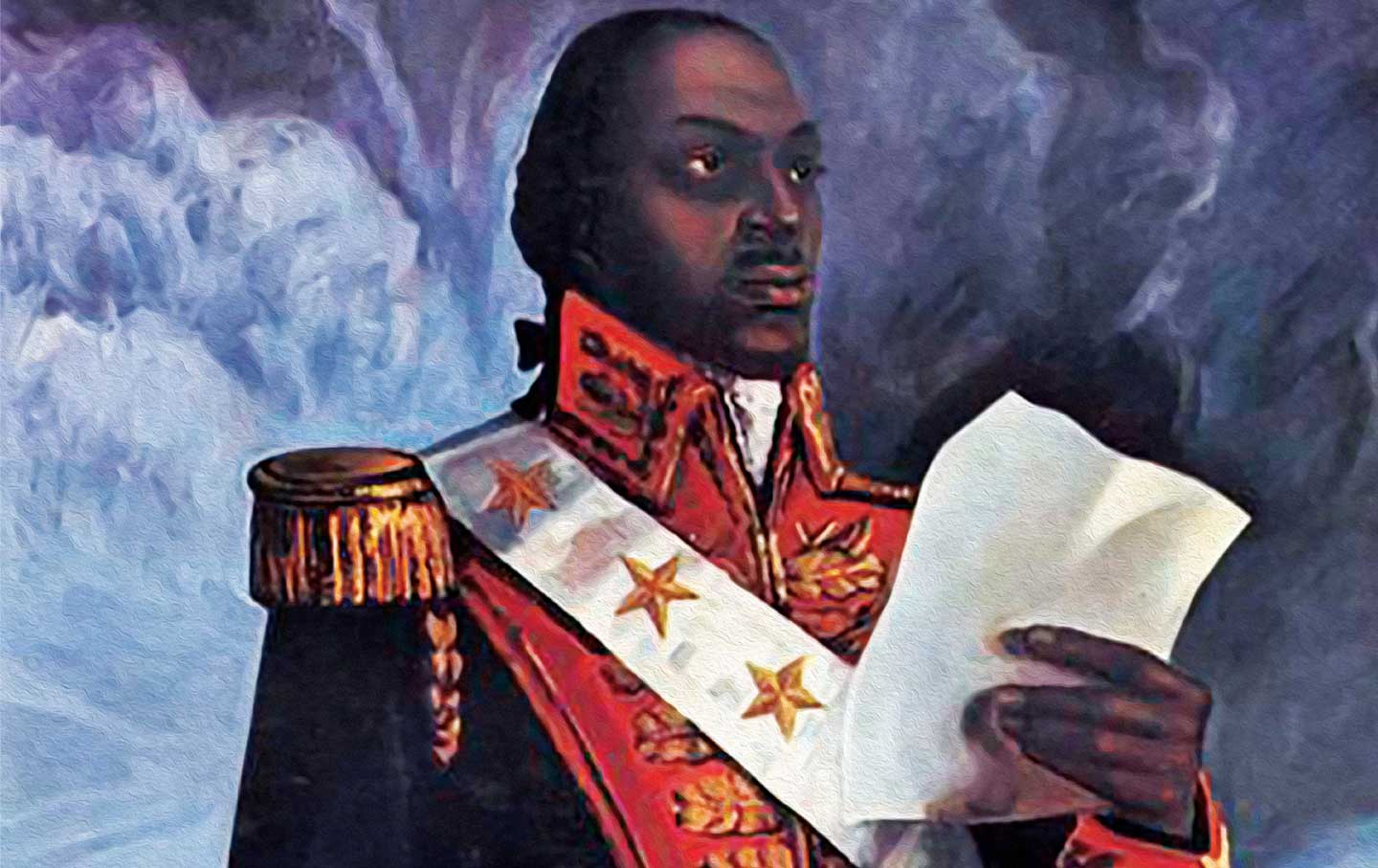
Toussaint Louverture
American fears of France
decreased due to events in the Caribbean. The Haitian Revolution, led by
Toussaint Louverture, upended slavery and worked to end European control on the
island of Hispaniola. In 1801, Napoleon sent an expeditionary force of 20,000
troops to reinstitute slavery and get plantation production to resume, but Louverture
put up fierce resistance that compelled Napoleon to reconsider his colonial
aspirations.
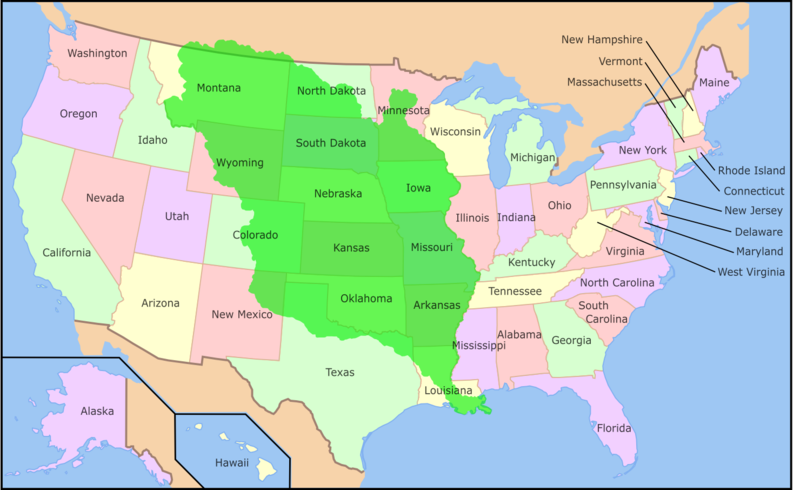
As a result of Haitian resistance, when American negotiators attempted to buy the port of New Orleans, the French instead offered all of Louisiana at an insane bargain of 15 million. If Napoleon couldn’t secure French Caribbean colonies, it made little sense to put even more resources into Louisiana development. He cut his losses and got what little money he could for what is today, the agricultural heart of the United States. Shortly after in 1804, much to the horror of American slave owners, Haiti became the second independent nation in the western hemisphere.
Thinking of the current value of that land, one can see why Napoleon would be fighting for the “Louisiana Refund” depicted in the artwork above.
I can’t quite explain the artist’s inclusion of Abe Lincoln, Tecumseh, Davy Crockett, and Cincinnati. Is it a statement on the possibly dangerous inherent subjectivity of history? Is it calling out the absurdity of superhero escapism as an antidote to the emptiness of modern life? Did the artist just play too much Street Fighter II and daydream in history class? We may never know, but I dig the end result.
A big thank you to everyone who submitted contest entries and keep an eye out on the contest page for the next opportunity.
After consulting with two very important members of the historyheads.blog leadership team, I’ve gotten clearance to extend the contest drawing until 11:59 PM on Monday July 8th. Identify up to 10 history heads to gain the maximum level of raffle entries. If you have less than 10, I’ll throw in chances for however many you got. I won’t reveal the prize until I draw the winner on July 9th, but it’ll come from here.
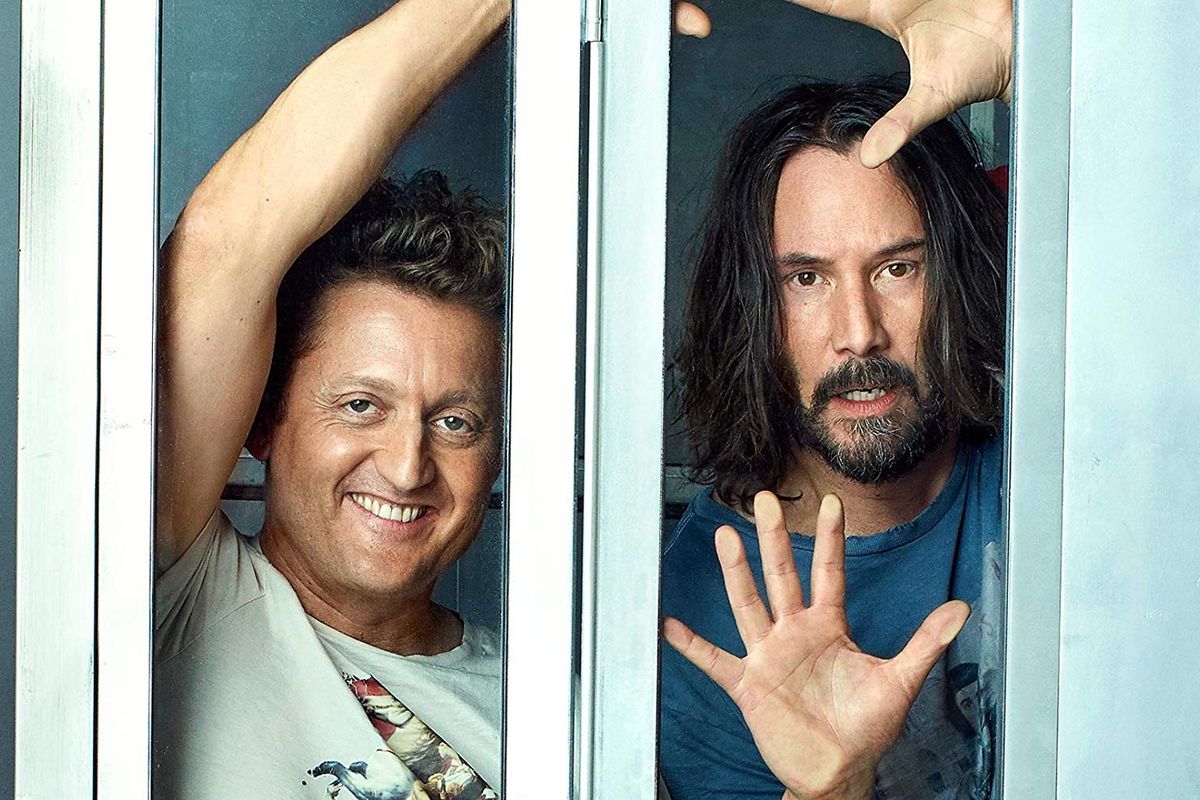
HistoryHeads Co-CEOs Bill S. Preston Esquire and Ted Theodore Logan
Hope everyone had a fun and safe holiday with family and friends.
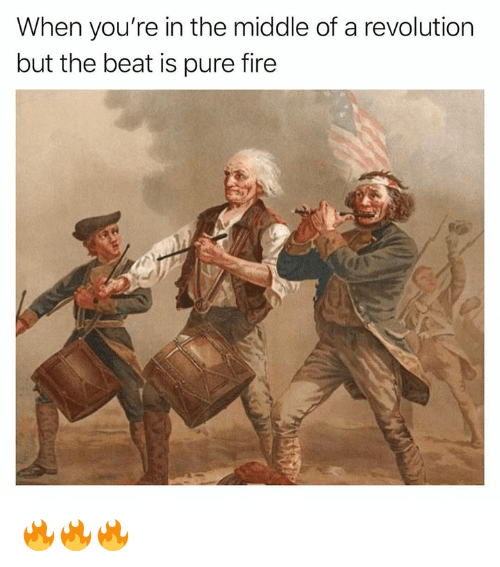
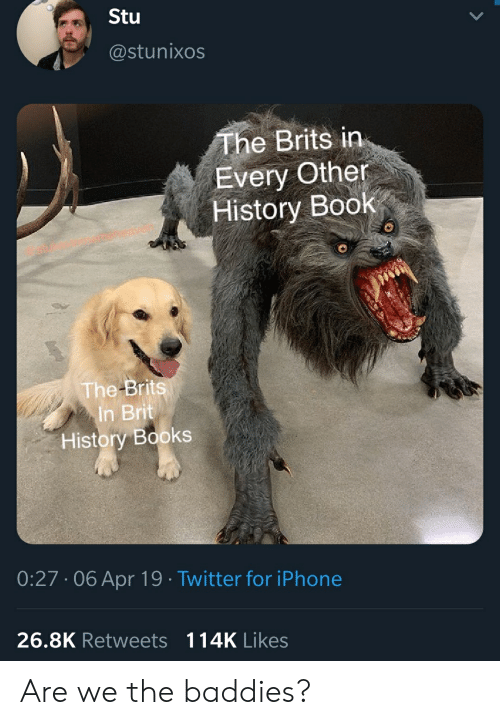
In lieu of a 5000 word think piece on school murals (more on that at a later time), here are a few 4th of July related memes:
They aren’t the only ones… I figure every nation has similar historiographical trends at some point
In other news, I just got wifi installed at the new house rental in Indy and am in the midst of unpacking and hanging pictures. We have an embarrassment of square footage over here compared to the old New York diggs–big enough for me to get back into my indoor prancercize regimen.
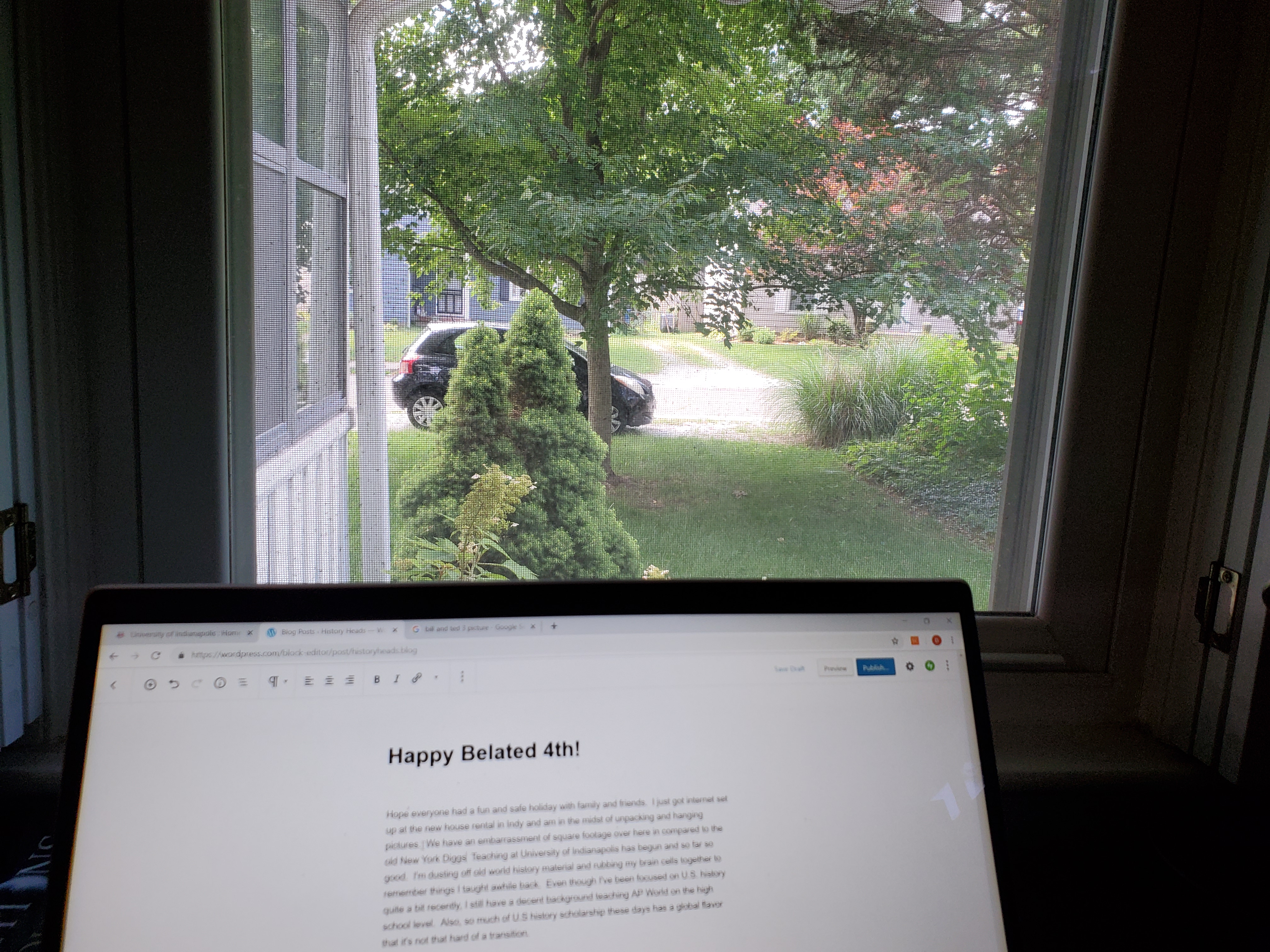
I’ve also got my office set up and raring to go for dissertation writing.
Getting acclimated to new creature comforts such as windows
Lastly, teaching “World History from 1700” at University of Indianapolis has officially begun. I’m dusting off old world history material I previously taught, and things are coming back to me fairly quickly. Also, so much of U.S history scholarship these days has a global flavor that it hasn’t been as hard of a transition as I anticipated.
Before getting into explaining my research and the writing
process, I thought it might be interesting for folks to hear a little about
what I’ve done to get up to this point.
The dissertation is the last step of a lengthy process.
First, I completed two years of course work in the history department at Fordham. I took 3 classes a semester that met once a week for about 2.5 hours. We sat around a conference table or circled the classroom desks and discussed the readings with a small group of certified history heads. I learned an incredible amount by listening. I also practiced how to engage in scholarly discussions with people I didn’t always agree with, but I respected.
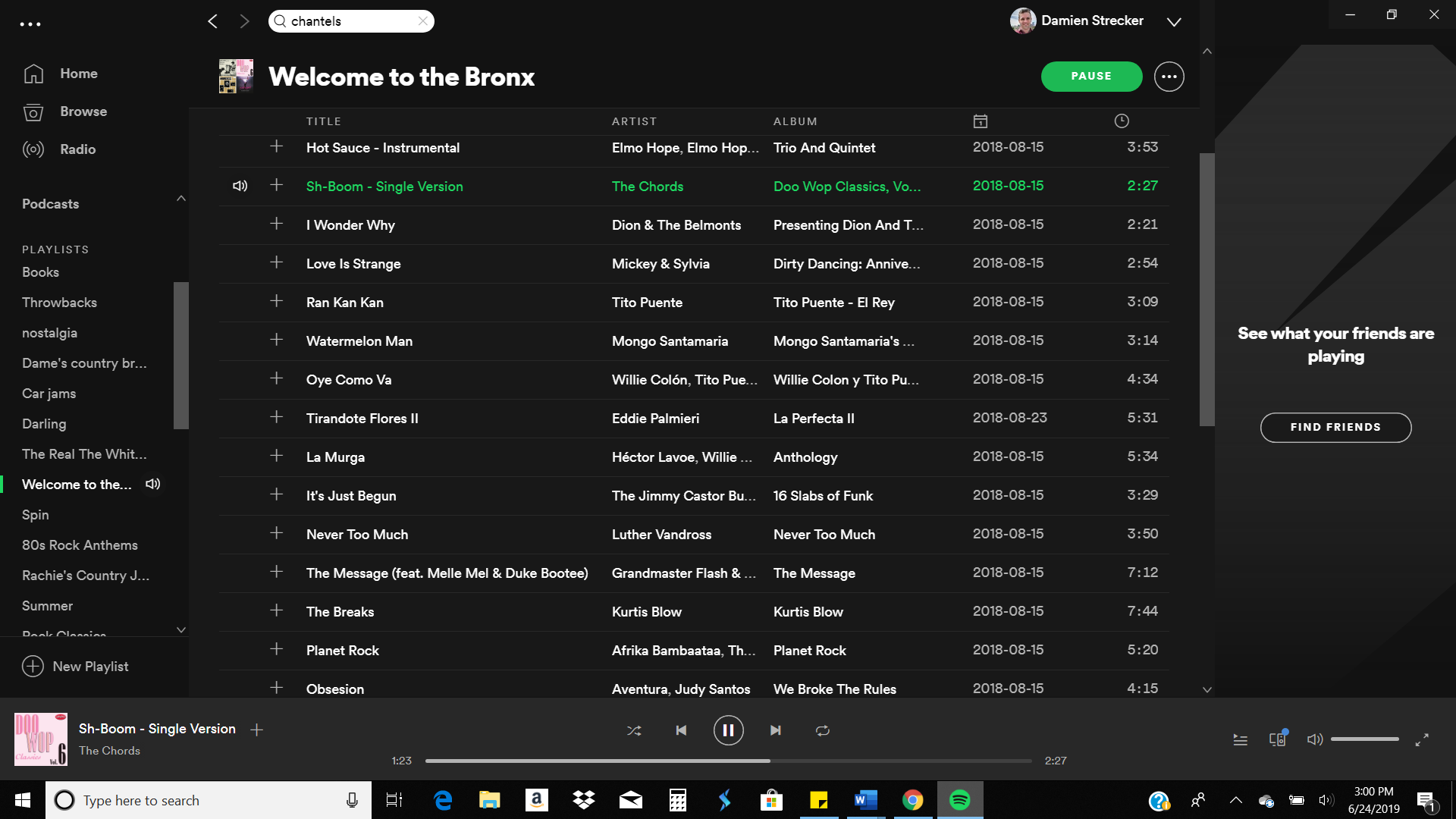
While I worked through my courses, I assisted Dr. Naison with the Bronx African American History Project (BAAHP). I lucked out with this placement. Not only is Dr. Naison incredibly knowledgeable about African American history and culture, but he’s just generally a fun, positive person to be around. He’s also always eager to share new music and explain the history behind the style: Tito Puente, The Chords, Sly and the Family Stone, Fela Kuti, Kurtis Blow, the Wu-Tang Clan… Dr. Naison’s influence is all over my Spotify account.
Notorious PhD/Mark Naison
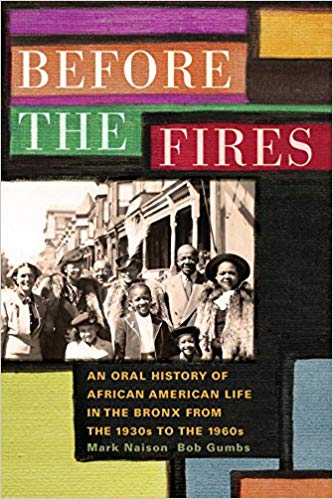
Dr. Naison fundraised and corralled resources from Fordham to make the BAAHP one of the strongest and longest running oral history projects in the nation. The BAAHP archive houses around 300 interviews of Bronx residents from the 1940s until today. I led a team of undergraduates in transcribing, digitizing, and uploading interviews to Fordham library’s servers. I also helped record new interviews. Dr. Naison ordered a load of food, invited historians from the community, and conversated with the interviewee about life and culture in the Bronx. The stories that emerged helped change the narrative of Bronx history. Dr. Naison and Bob Gumbs published a book through Fordham University Press titled Before the Fires that captures the essence of African American life in the Bronx before widespread 1970s divestment and arson.
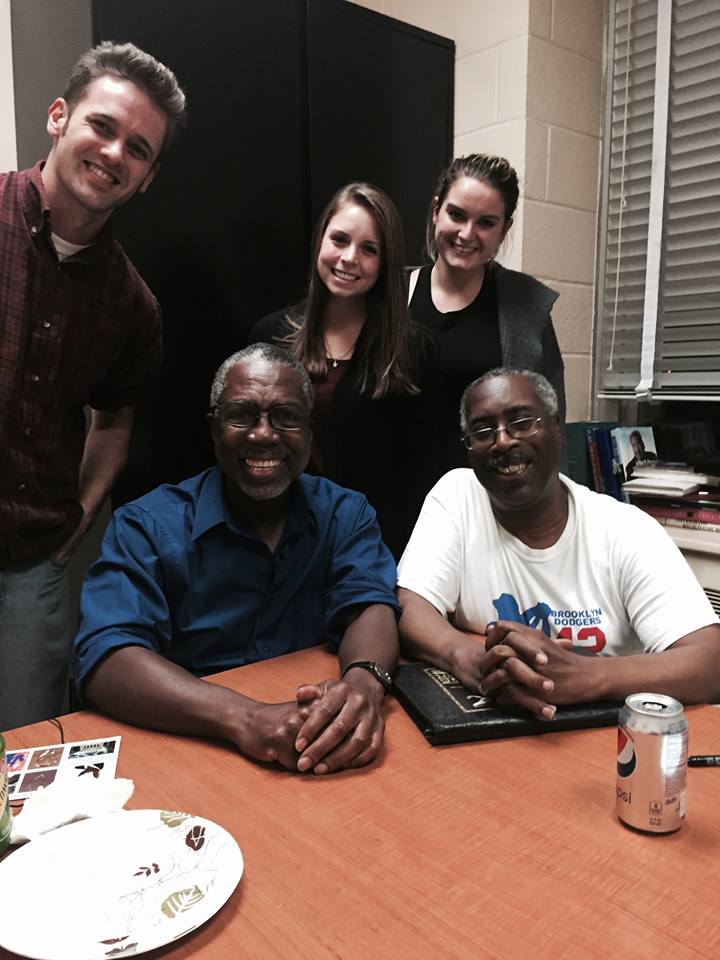
Me, Mario Sprouse, Andrea Benintendi, Morgan Mungerson, Bob Gumbs
I’m thankful for my time with the BAAHP, but I also enjoyed
the transition to Teaching Fellow at Fordham.
I missed having my own students and being in front of the classroom. I taught a course titled, Understanding
Historical Change: American History.
The department gave me total freedom in constructing a syllabus,
choosing my topics, and assigning readings.
Coming from a public-school environment in which I solely taught district
and state approved curriculum, this new flexibility was something I really appreciated.
While I taught, I also independently studied Spanish and
French. Fordham requires reading
proficiency in two foreign languages. I
passed my Spanish language exam fairly quickly, but the French turned into an
albatross. I spent 8 hours a day
studying vocab, conjugations, and grammar.
I could read on a newspaper reading level, but my French translation
exams were based on very difficult academic articles. They would have been confusing to understand
in English. I had an extra level of
frustration because none of the language I was studying had anything to do with
the research I hoped to do. Thankfully, all that is behind me…
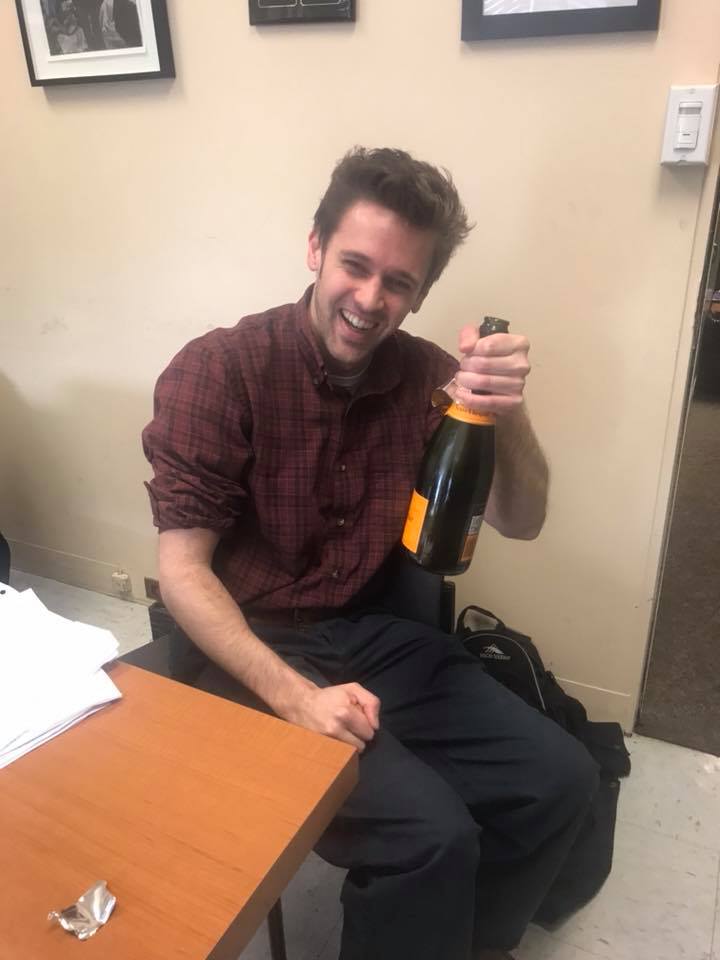
After passing my language exams, I concentrated on comprehensive exams. I chose four professors who specialize in different areas of history and collaborated to compile a series of reading lists. My final book tally was around 220. After spending about a year and half frantically reading, my committee of professors tested me on my historical content knowledge. Failing these exams can mean the end of the road for your academic career so it’s very high stress. Any time I wasn’t teaching or working a shift at the coffee shop, I read. Any time I did not read, I felt a strong impulse that I needed to be reading. I summarized the books into seven notebooks and summarized my notebooks into a series of notecards. Two weeks before my exam, I spent countless hours on Skype with my dad talking through the main points of each book (shout outs to mom for taking over when dad had bowling league nights). A few days before the exam, I started to lose my appetite and had a really hard time sleeping. The day of the exam, Dr. Naison kindly offered some of his chicken wings before we began. I politely declined. After answering all their questions the best I could, I exited the room for them to privately evaluate my performance. They called me back in and congratulated me on passing. Dr. Naison broke out some champagne for everyone, and that night I slept in a deep, deep slumber.
After the smoke cleared from my comprehensive exams, I met
with Dr. Naison to discuss dissertation ideas.
I had a few topics kicking around in my head, but he offered a great
option. During his time working on the
BAAHP, many interviewees mentioned the influence of a South Bronx pastor named
Edler Hawkins. Dr. Naison urged me to do
biographical work on his life with a special emphasis on his local Bronx and greater
New York influence. It’s turned out to
be an incredibly rewarding and interesting topic. In my next post, I’ll give some background
info on Hawkins, walk you through some of the places I’ve been while doing
research, and give you some preliminary research findings.
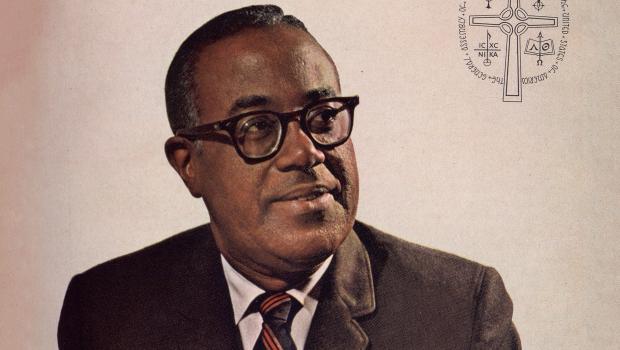
Edler Hawkins from the cover of Presbyterian Life Magazine
I’m typically not a big fan of the “comedy roast” genre. I
have a very sensitive cringe tolerance level that makes me want to turn the
channel immediately. But hey, if consenting adults want to make the choice to
go on television to voluntarily engage in public humiliation, more power to
them. I will say I thoroughly enjoyed the roast of James Franco a few years
back. I think that one worked because you could tell many of the participants
were actual friends. Too many other times, you get the sense that roasters and
roastees hardly know one another which makes it feel meaner spirited.
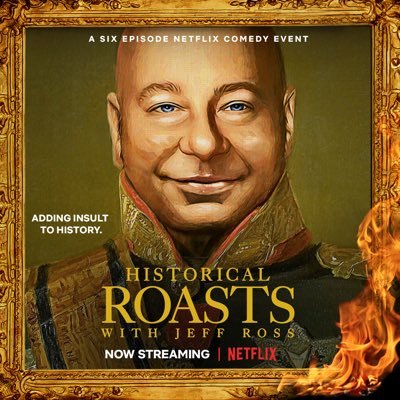
Historical Roasts with
Jeff Ross found a way to circumvent much of the cringe by focusing the verbal
venom on well-known historical figures instead of modern celebrities.
After warming up the audience with some Civil War dysentery poop jokes, the show falls into the familiar roast format. Ross introduces Lincoln (Bob Sagat) and intersperses sick burns with biographical material that chronicles the prevalent amount of death in Lincoln’s family tree. Mary Todd Lincoln (Natasha Leggero) hurls insults at her husband while chugging booze and snorting crushed up Xanax. Harriet Tubman (Yamaneika Saunders) embraces an angry, hypersexual tone that contrasts with the usual stoic textbook image. Tubman takes Lincoln to task for not issuing the Emancipation Proclamation earlier in the war and for advocating the colonization of former slaves on the African continent. Frederick Douglass (Jerron Horton) chimes in that Lincoln allowed unequal pay for Black soldiers. Lastly, John Wilkes Booth (John Stamos) gives an over-the-top portrayal of a self-absorbed actor that includes a musical number.
I can’t vouch for the other five episodes, but so far, I find the show’s premise very intriguing. There are plenty of roast fans that may not be full history heads that could tune into this show and perhaps learn something new. The show’s light on history, heavy on vulgarity, but self-aware of its own absurdity. For some hot button topics, the comedic and historic premise of the show could even be psychologically cathartic.
While historians and
biographers can write volumes of books on an individual, no one can say for
certain that they definitively know their subject’s personality and
motivations. Much is left to conjecture and context clues. Scholars try their
best to get at a historical figure’s essence, but their interpretations are
always filtered through the lens of their own personal experiences. If we
squint really hard, we can see Ross and company unapologetically embracing this
inherent subjectivity in history with a wild abandon. It’d be easy for
historians to turn their nose up at the show, but on some level, they’d be hypocritical
for doing so.
I’ve been working on my PhD in history at Fordham University
for roughly the past 5 years. I liked
living in New York City, but I’m happy to be back in the Midwest and closer to
loved ones. I’m getting settled in Indianapolis
and gearing up for adjunct teaching jobs at the University of Indianapolis and
Butler University.
I’m still plugging away on my dissertation, but I’ve got a few things going for me. First, no one has written much about my topic. I don’t feel the pressure of trying to find some new angle to a topic that’s already been beaten into the ground. Second, sources exist, and I have access to them. No matter how much preparation one does before arriving, there’s no fool proof guarantee that an archive will yield helpful results. Luckily, the places I’ve visited in New York, Atlanta, and Philadelphia have given me far more materials than I originally anticipated. Third, I find the topic genuinely interesting. Nothing would be worse than slogging through a dissertation for years without having a strong conviction that it’s a worthwhile story with modern relevance.
I’ll look forward to giving folks a run down of my research later this week. I’ve got some pictures from the archives I’ve visited, and I can give some insight into the whole writing process.







 History Heads