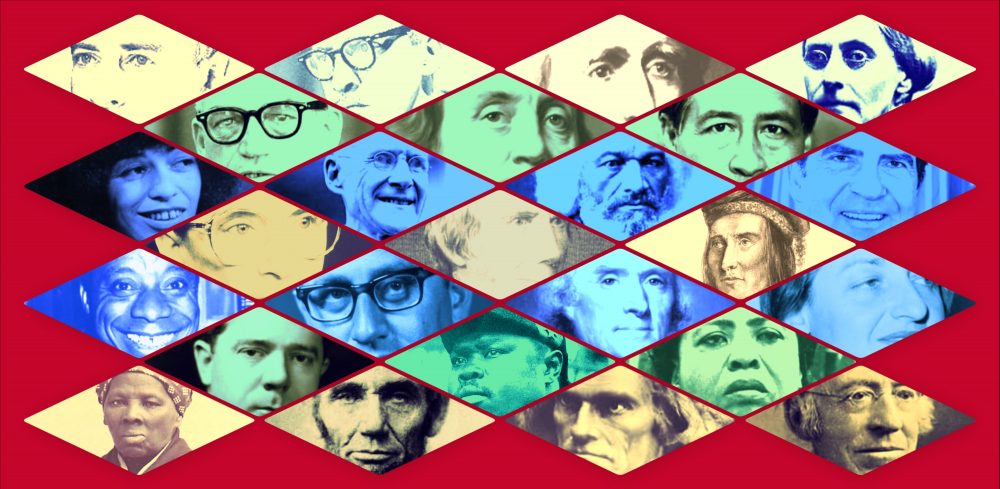
Congrats to my fellow history head and former student Adam Rose for taking home the contest prize. To the victor goes the spoils:

I went to the Talbot Street Art Fair in Indy about a month ago and came across David Frohbieter’s Historically Inaccurate Art booth. He mashes up time periods, geography, and events to create highly inaccurate but intriguing art. I thought the “Savage Lincoln” piece would make a visually compelling and unique contest prize.
While Napoleon never sought a “Louisiana Refund,” the whole transaction highlights the interconnectedness of global and US histories.
After gaining control of the Louisiana Territory from Spain in 1800, Napoleon planned to maximize the profitability of French colonial possessions in the western hemisphere. Napoleon wanted Louisiana to supply Caribbean islands like St. Domingue (Haiti) with food. In turn, colonies like St. Domingue could use that food to expand cash crop production and take advantage of trade access to New Orleans markets. French Caribbean sugar and coffee production, built on slave labor, created massive fortunes. By looping Louisiana into the equation, the French could increase efficiency and expand their North American reach.
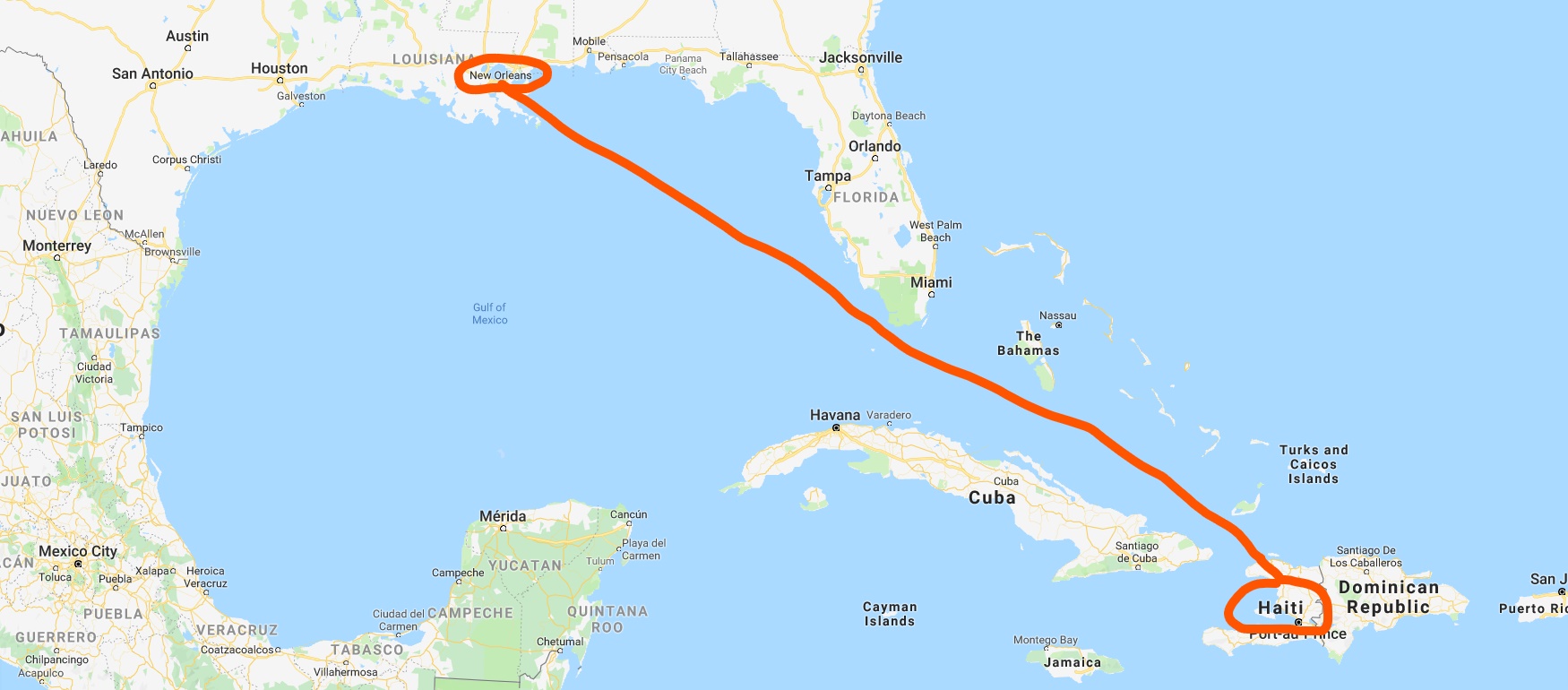
Jefferson eyed this situation with concern. As the US expanded beyond the Appalachians, independent American farmers as well as slave owners needed a way to get their goods to market. If France decided to restrict American access to New Orleans, farmers could no longer float their wares down the Mississippi. With trains not invented yet, alternate frontier transportation options were limited.
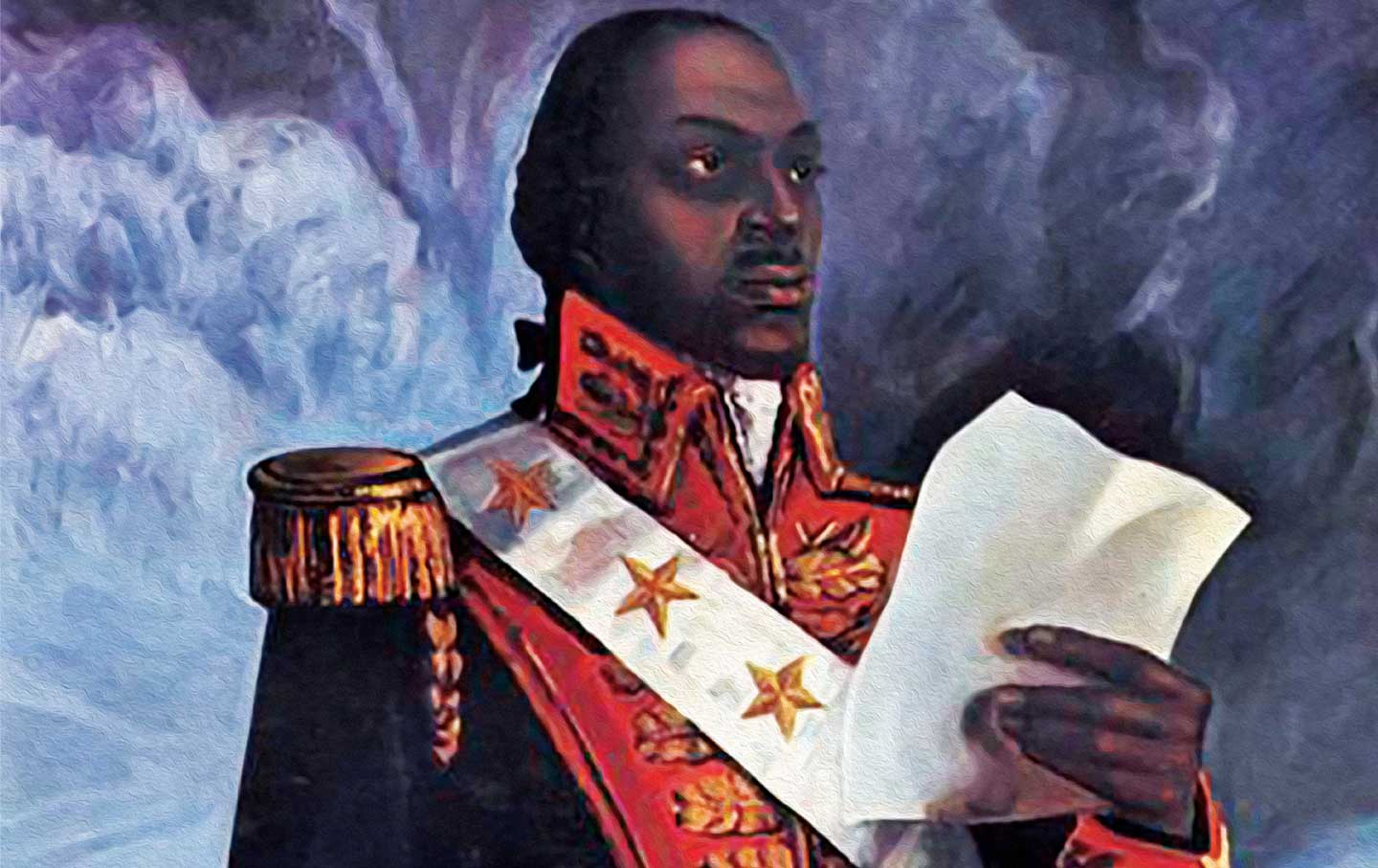
American fears of France decreased due to events in the Caribbean. The Haitian Revolution, led by Toussaint Louverture, upended slavery and worked to end European control on the island of Hispaniola. In 1801, Napoleon sent an expeditionary force of 20,000 troops to reinstitute slavery and get plantation production to resume, but Louverture put up fierce resistance that compelled Napoleon to reconsider his colonial aspirations.
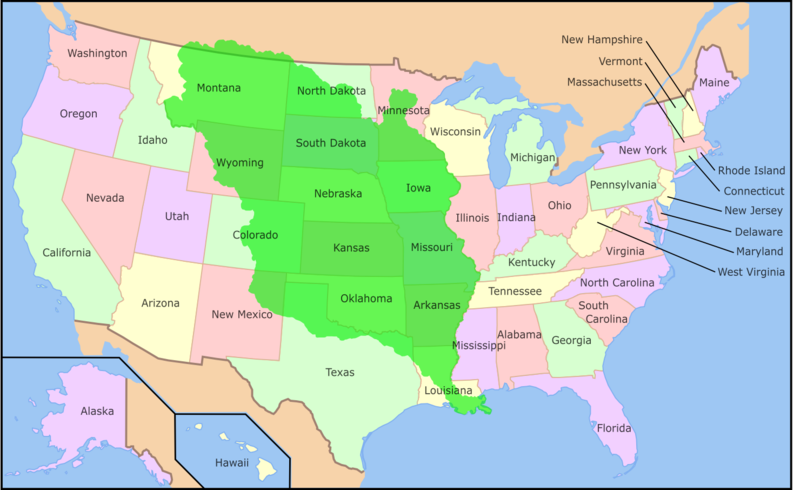
As a result of Haitian resistance, when American negotiators attempted to buy the port of New Orleans, the French instead offered all of Louisiana at an insane bargain of 15 million. If Napoleon couldn’t secure French Caribbean colonies, it made little sense to put even more resources into Louisiana development. He cut his losses and got what little money he could for what is today, the agricultural heart of the United States. Shortly after in 1804, much to the horror of American slave owners, Haiti became the second independent nation in the western hemisphere.
I can’t quite explain the artist’s inclusion of Abe Lincoln, Tecumseh, Davy Crockett, and Cincinnati. Is it a statement on the possibly dangerous inherent subjectivity of history? Is it calling out the absurdity of superhero escapism as an antidote to the emptiness of modern life? Did the artist just play too much Street Fighter II and daydream in history class? We may never know, but I dig the end result.
A big thank you to everyone who submitted contest entries and keep an eye out on the contest page for the next opportunity.
 History Heads